Subtotal ₹0.00
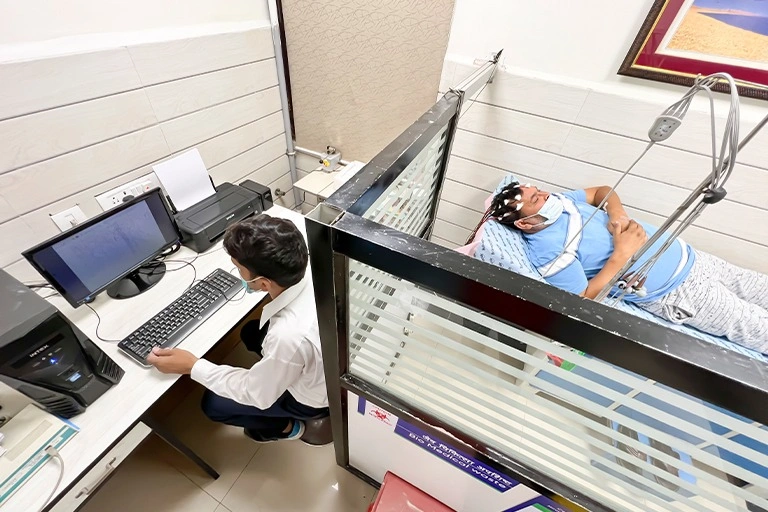
Psychiatric inpatient treatment in Lucknow provides hospital-based mental health care for people who may need closer psychiatric supervision, structured treatment or monitoring than outpatient care can provide. During inpatient treatment, the patient stays at the hospital while a psychiatric team assesses the condition, provides appropriate treatment, monitors progress and plans the next stage of care.
Nirvan Hospital in Lucknow provides inpatient and outpatient psychiatric care based on the patient’s clinical needs. Psychiatric services may include psychiatric assessment, diagnosis, medication management and monitoring, psychological support, behavioral interventions and follow-up care.

Not every person with a psychiatric condition requires hospitalization. Many mental health conditions can be managed through outpatient psychiatric consultations, medicines, psychotherapy, counseling and regular follow-up.
Inpatient psychiatric care may be considered when symptoms are severe or when a patient requires a higher level of supervision or structured treatment. Circumstances that may lead a psychiatrist to consider hospitalization include:
The decision to admit a patient should be based on a professional psychiatric assessment rather than on a diagnosis alone.

Psychiatric inpatient treatment is mental health treatment provided while a patient stays in a hospital or supervised psychiatric facility. Unlike outpatient psychiatric care, where patients generally return home after consultations, inpatient care allows the clinical team to provide closer observation and structured support during the hospital stay.
Depending on the patient’s condition, inpatient psychiatric care may include:
The type and duration of treatment depend on the individual’s clinical condition. A psychiatrist determines the appropriate level of care after assessing the patient’s symptoms and treatment needs.
Based on the intensity of symptoms, the patient’s present level of functioning, treatment response and general clinical requirements, not only the diagnosis, the need for psychiatric hospitalisation varies. One might think about inpatient psychiatric care in extreme episodes related to disorders including:
Serious depression can interfere with daily activities, motivation, attention, eating and sleep as well as mood. A psychiatrist could think about inpatient treatment if symptoms become challenging to control outside a supervised environment.
Significant psychotic symptoms can affect a person’s perception, behavior, communication and ability to function. In some situations, inpatient assessment and supervised treatment may be recommended.
Severe manic, depressive or mixed episodes can affect mood, sleep, energy and daily functioning. In some situations, inpatient psychiatric care may be considered for closer monitoring and structured treatment.
Most anxiety disorders can be managed through outpatient care. However, in some cases, severe symptoms may significantly affect daily functioning and require more intensive psychiatric support. The appropriate level of care depends on the individual’s symptoms and clinical assessment.
Other psychiatric or behavioral conditions may also require inpatient assessment when symptoms become severe, persistent or difficult to manage through routine outpatient treatment for bipolar disorder, OCD and behavioral concerns.
The therapy approach differs based on the patient’s condition and clinical demands. Psychiatric inpatient care usually combines evaluation, therapy, observation and discharge planning.

The process starts with a psychiatric evaluation. The psychiatrist could look at the patient’s current symptoms, history of mental health problems, past treatments, drugs, medical history and current level of functioning. If they exist, previous prescriptions, records of treatment and pertinent medical reports may also be examined.

The psychiatric staff creates a treatment plan based on the patient’s clinical requirements following evaluation. The plan may call for medicine, psychological therapies, counseling, behavioral strategies, diagnostic assessment or other relevant psychiatric services depending on the circumstance.

Based on clinical relevance, medication could be ordered or changed. In an inpatient setting, the treating psychiatrist can modify medicine as needed and the patient’s reaction to it can be watched more closely.Patients shouldn’t stop, start over or alter psychiatric medications without first consulting their treating physician.
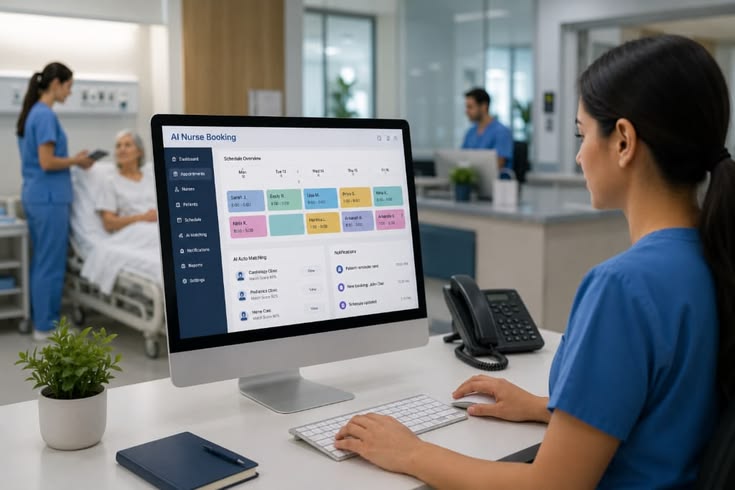
Inpatient care lets the clinical staff track changes in symptoms, conduct, functional capacity and treatment response during the hospital stay. Closer monitoring might be helpful if the patient’s condition is changing or if their treatment needs to be adjusted.

Where applicable, psychological support could be part of inpatient psychiatric treatment. Based on the patient’s requirements, these might be psychological evaluation, therapy, counseling and behavior modification techniques. Among Nirvan Hospital’s offerings are behavioral therapy, psychodiagnostic evaluations and clinical psychology.

Usually integrated into a larger treatment program is inpatient care. The treatment team might advise ongoing psychiatric appointments, medication management, counseling, therapy or other follow-up care before the patient is discharged. The patient’s condition, development and continuing care needs will guide the follow-up plan.

Nirvan Hospital provides inpatient and outpatient psychiatric care in Lucknow. Its psychiatric services include the diagnosis and management of psychiatric disorders, medication management and monitoring, long-term treatment and follow-up care. The hospital also provides clinical psychology and psychodiagnostic services along with other diagnostic and therapeutic facilities. Treatment is planned according to the patient’s individual clinical requirements. For patients and families considering psychiatric treatment, the hospital’s psychiatric team can assess the patient’s condition and determine whether inpatient admission or outpatient care is appropriate.

Knowing the admission process can enable families and patients to get ready for psychiatric care.
The official admissions process at Nirvan Hospital starts with an OPD consultation with a psychiatrist. Before admission, the patient’s condition is evaluated; after approval from the appropriate expert, hospitalization is taken into account.
The hospital may require documents and information such as:
Admission requirements can change depending on hospital policies. Families should confirm the latest documentation, payment requirements and other formalities with the hospital before admission.

Psychiatric inpatient treatment has no set length. The patient’s symptoms, diagnosis, response to treatment, degree of functioning and clinical needs determine their length of stay. While some patients might only need a short amount of monitored attention, others might need more thorough therapy and monitoring. The treating psychiatrist assesses the patient’s development and decides when discharge planning is suitable. Inpatient care aims not only to keep a patient in the hospital for a set number of days. Based on the patient’s clinical requirements and response to treatment, the length ought to vary.

When looking for inpatient psychiatric treatment in Lucknow, patients and families may consider several factors rather than focusing only on the hospital stay.Important considerations include:
Families should also ask the hospital about admission requirements, treatment procedures, accommodation options, expected expenses and follow-up arrangements before admission.

The cost of psychiatric inpatient treatment in Lucknow varies depending on the patient’s treatment requirements and the services used during the hospital stay. Factors that may affect the overall cost include:
The cost of psychiatric inpatient care at Nirvan Hospital is determined by the accommodations, length of stay, appointments, drugs, tests and extra services needed during therapy. Families ought to check the present costs straight with the hospital before admission. The total treatment cost may include more than accommodation charges because expenses vary according to the patient’s treatment requirements and services used.

Families should confirm the hospital’s current admission checklist before arriving. It can be helpful to carry:
Having previous treatment information available can help the treating team understand the patient’s medical and psychiatric history.
Psychiatric inpatient treatment is hospital-based mental health care in which a patient stays at the hospital while receiving psychiatric assessment, treatment, supervision and monitoring. It may be recommended when symptoms require a structured environment or closer clinical observation than routine outpatient care can provide.
No, every psychiatric patient does not need hospitalization. Many psychiatric conditions can be managed through outpatient psychiatric consultations, medication, psychotherapy, counseling and regular follow-up. Hospital admission is considered when a patient's symptoms or clinical needs require a higher level of supervised care.
Inpatient psychiatric care may be considered during severe episodes associated with conditions such as depression, bipolar disorder, schizophrenia, psychotic disorders, severe anxiety and certain behavioral conditions. The need for hospitalization depends on symptom severity and the patient's individual clinical circumstances.
The duration varies from patient to patient. It depends on the severity of symptoms, diagnosis, treatment response, level of functioning and clinical requirements. The treating psychiatrist evaluates progress throughout the hospital stay and determines when continued inpatient care or discharge planning is appropriate.
Inpatient psychiatric treatment involves staying at a hospital for supervised care and closer monitoring, while outpatient treatment allows the patient to live at home and attend scheduled consultations. The appropriate option depends on the severity of symptoms and the patient's individual treatment and support needs.
Yes. Nirvan Hospital in Lucknow provides inpatient and outpatient psychiatric care. Its psychiatric services include assessment and management of psychiatric disorders, medication management and monitoring, psychological services and ongoing treatment and follow-up support.
The admission process begins with an OPD consultation and psychiatric assessment. If the psychiatrist determines that inpatient care is appropriate, admission can proceed after approval from the concerned specialist and completion of the required hospital formalities.
There is no single cost for every patient because expenses depend on accommodation, length of stay, consultations, medicines, investigations and other required services. Families should confirm Nirvan Hospital's current charges and obtain an estimate based on the patient's treatment requirements before admission.
Yes, psychiatric treatment can continue after discharge through outpatient consultations, medication management, counseling, therapy and other follow-up services when recommended by the treating team. Continued follow-up allows the psychiatrist to monitor progress and make treatment adjustments when necessary.
Chat on WhatsApp

 Self Assessment