



Depression & Anxiety

What Are Depression & Anxiety?

Common but treatable mental health conditions are anxiety and depression. Our psychiatrists at Nirvan Hospital Lucknow offer thorough diagnosis, medication management, psychotherapy, CBT, counseling, and sophisticated treatments including rTMS to enable patients to recuperate safely.

Depression

What is Depression?

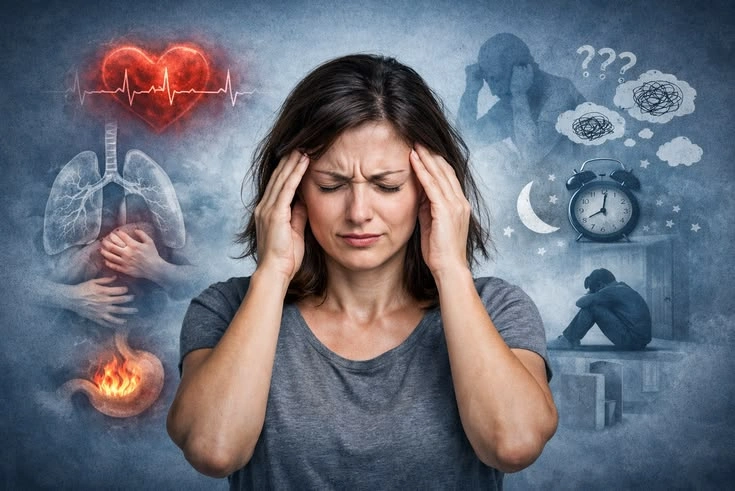
A chronic mood disorder, depression makes one feel persistently sad, disinterested in daily activities, sleep and hunger changing, low energy, poor concentration, and hopeless. It might impact one's general quality of life as well as relationships, employment, studies.

Types of Depression

  • Major Depressive Disorder (MDD)
  • Dysthymia (Persistent Depressive Disorder)
  • Seasonal Affective Disorder (SAD)
  • Depression postnatal
  • Bipolar Depression
  • Depression Associated with Medical Conditions
Anxiety Disorders

What is Anxiety?

A normal response of the body towards stress is being worried. Periodic anxiety attacks are normal; but, extended and extreme concerns that affect daily life may point to anxiety disorders. Constant anxiety, agitation, panic attacks, physical responses like more heartbeat, perspiration, trembling, difficulty breathing or avoiding some circumstances can all come from anxiety problems. If correctly identified and treated, most anxiety disorders can be successfully controlled.

Types of Anxiety Disorders

  • General Anxiety Condition
  • Anxiety Disorder
  • Social anxiety disorder
  • Particular Phobias
  • Obsessive-Compulsive Disorder (OCD)
  • Post-Traumatic Stress Disorder,
  • Anxiety About Health
  • Anxiety Disorder Isolated


Common Symptoms Depression and Anxiety

Depression Symptoms Anxiety Symptoms
Persistent sadness or low mood Excessive worry or fear
Loss of interest in daily activities Restlessness or feeling on edge
Fatigue or low energy Panic attacks
Changes in sleep (too much or too little) Rapid heartbeat or palpitations
Changes in appetite or weight Trembling or sweating
Difficulty concentrating Difficulty concentrating
Feelings of worthlessness or guilt Muscle tension
Thoughts of self-harm or suicide (seek immediate help) Shortness of breath or dizziness

Every person experiences different symptoms. Seek a professional assessment from a competent psychiatrist if these symptoms last more than two weeks or hinder your daily activities. Early detection and treatment might help to maximize recovery results.

Causes and Risk Factors Depression and Anxiety

Causes and Risk Factors Depression and Anxiety

Anxiety and depression, in most cases, arise due to a number of factors combined, which include:

  • genetics/biological factor
  • chemical imbalance in the brain
  • stress, trauma, or major life events
  • family history of mental problems
  • physical illness
  • substance abuse

Diagnosis at Nirvan Hospital

Our psychiatric professionals conduct a complete clinical assessment which includes detailed history, psychological testing and physical examinations, if required, to rule out any medical cause. For those individuals who would like to understand their symptoms first before visiting a psychiatrist, we even have a 1-minute Self Assessment on our website.

When Should You See a Psychiatrist?

When Should You See a Psychiatrist?

Almost everybody delays getting medical care out of worry over what they could discover or out of a false hope their illness would just go away on its own. But if you have any of the following, see a doctor:

  • Unremitting depressed mood or anxiety for longer than two weeks.
  • the problem is interfering with your relationships, studies, or work; or
  • Difficulties in waking, sleeping or eating normally. 
  • Withdrawal from your loved ones.
  • Thoughts of self-harm – it needs prompt attention.
What Happens During Your First Visit

What Happens During Your First Visit

Typically, in Nirvan Hospital, your initial consultation will involve an extensive examination of your symptoms, medical history, and daily life events that trigger them. According to the results, the psychiatrist may recommend the following: a tailor-made treatment program, blood tests to rule out any physical illnesses (thyroid included), and standard questionnaires. This would provide a clear understanding of the issues you are facing; there will be no obligation to accept a certain treatment immediately.

Depression & Anxiety Treatment at Nirvan Hospital

The treatment is individualized because every patient's response is different. Treatment may include:

Psychiatric Consultation

Psychiatric Consultation

A psychiatrist assesses symptoms, makes a diagnosis and suggests a treatment plan for the illness.
Medication Management

Medication Management

Drugs may also be given, if necessary, to stabilise mood, relieve anxiety, facilitate rehabilitation and to help with sleep. There is close supervision of medication in regular follow-up appointments.

Cognitive Behaviour Therapy (CBT)

Cognitive Behaviour Therapy (CBT)

CBT helps patients identify negative thought patterns and replace unrealistic or unhelpful thoughts with more balanced and realistic ones, thereby reducing symptoms of depression and anxiety.

Psychological Counselling

Psychological Counselling

When you have professional counselling, it’s a private and secure environment to discuss your emotional struggles, increase your resilience, and improve the way you deal with things.

Lifestyle Modification

Lifestyle Modification

Sleep hygiene, physical activity, stress management, mindful awareness, and good nutrition play a role in long-term recovery.

Family Education Support

Family Education & Support

Family participation promotes knowledge sharing, communication and support in the course of the rehabilitation.

Advanced Treatment Options

Advanced Treatment Options

For certain individuals with refractory depression or particular psychiatric disorders, psychiatric assessment may precede consideration of advanced treatments including rTMS.

Why Nirvan Hospital for Depression & Anxiety Care

Why Nirvan Hospital for Depression & Anxiety Care

Patients visit Nirvan Hospital not only from all over Uttar Pradesh but from outside the state too, due to the following reasons:

  • Over 36 years of specialization in mood disorder treatment.
  • NABH certification – something that is very rare for most private psychiatric hospitals in India.
  • 100-bed inpatient facility for people requiring constant supervision during their extreme states.
  • rTMS – a non-medication alternative for those who have not responded well to conventional anti-depressants.
  • Psychiatrists and clinical psychologists working as a unified team and not in isolation.
  • Care pathways based on the age of the patients, ranging from teenagers to seniors.
Self-Care Tips Alongside Professional Treatment

Self-Care Tips Alongside Professional Treatment

In spite of professional help being required, the following practices can contribute to your progress between sessions: Maintain a consistent sleep schedule even on difficult days. Avoid alcohol or other drugs that may exacerbate effects of depression. Add some physical activity to your day, even short walks. Stay in touch with at least one trusted person rather than withdrawing completely. Track your moods and triggers so you can tell what you learn to your psychiatrist. These are best practices to your therapy and not in lieu of seeing a professional, especially if you have moderate to severe.

Frequently Asked Questions

Yes. Most patients experiencing such symptoms will improve and be able to live a normal, fulfilling life with the appropriate combination of therapy, medication (if necessary), and modifications in their lifestyle.

This is different for everyone - some patients have responses in a matter of weeks, whereas those with more complicated situations may require a few months of steady treatment.

Not always. Milder forms can be successfully treated with therapy and lifestyle modifications. After assessment, a psychiatrist will advise the appropriate treatment.

If you or a family member is experiencing thoughts of self-harm, call our 24/7 helpline or visit the nearest emergency room.

Recovery is a very individual journey, but you could begin at this moment by creating a simple daily practice, sitting to calm your nervous system and moving your body regularly. Small, manageable adjustments are helping to maintain the momentum toward mastering those powerful feelings.

Based on their addiction severity, withdrawal risks, and general health, some people may need inpatient rehabilitation while others could recover with outpatient care. An expert assessment clarifies the best course of treatment.