Subtotal ₹0.00

 Self Assessment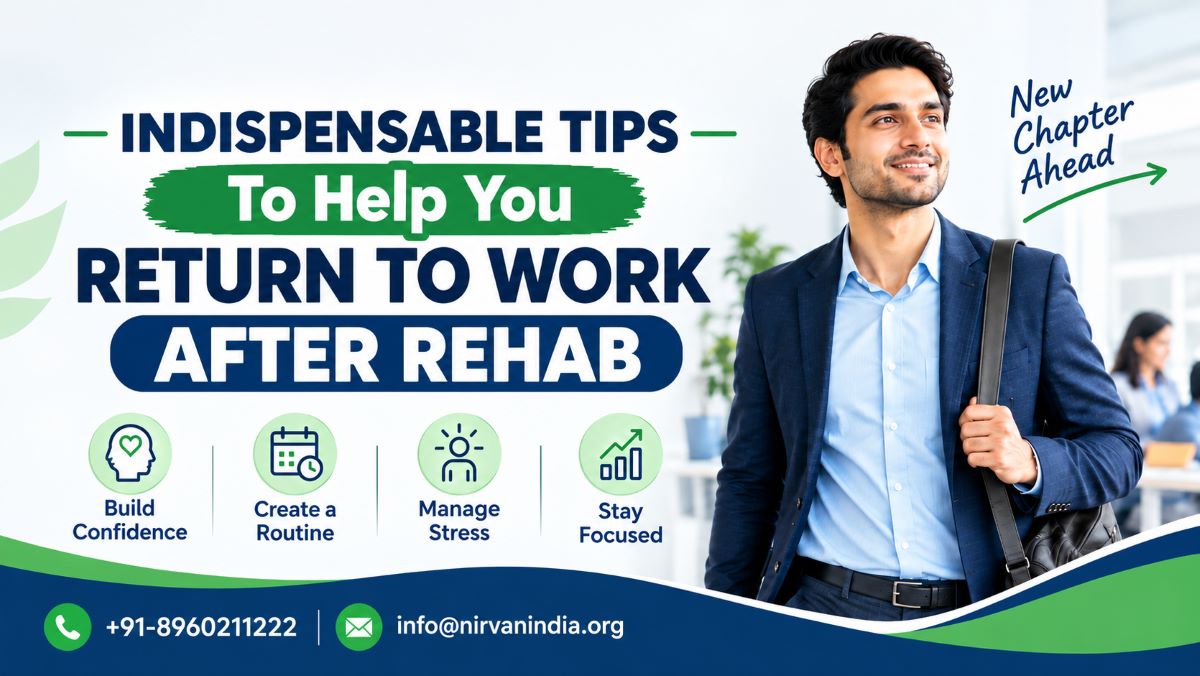
Quick Answer
Returning to work after rehab is easier when you transition gradually, follow a consistent routine, manage workplace stress and continue aftercare. Planning ahead and having the right support can help you protect your recovery while adjusting to work.
Work can become an important part of rebuilding everyday life after rehabilitation. It can provide structure, financial independence, social connection and a sense of purpose. However, returning to work can also bring new pressures, especially when you are still adjusting to life after treatment.
Why Returning To Work After Rehab Feels So Challenging?
There is much more to work than just making money. It can offer social connection, identity, structure and purpose. It can be difficult to return to the workplace and handle its demands after spending weeks or months in a structured rehabilitation program.
Some common issues that arise include.
- Concerns of getting discovered by peers regarding their condition
- Relapse concerns due to stressors at work
- Efforts in regaining their self-confidence and concentration
- Difficulties in revealing their recovery process to employers
- Having to adapt to a normal schedule after rehab
Recognizing these challenges is the first step toward handling them wisely.
Indispensable Tips To Help You Return To Work After Rehab
1. Give Yourself Time Before Jumping Back In
Stay away from too rapidly pushing yourself back to a complete load. With a phased return to work-that is, starting part-time or with lesser duties when appropriate-the adjustment might be simpler to manage.
2. Create A Personalized Return-To-Work Plan
Organize ahead of time your first several weeks back working. Consider your work schedule, breaks, appointments, therapy sessions and constructive tension-lowering strategies. Having a written strategy helps provide organization and consistency when the move looks intimidating.
3. Decide What You’re Comfortable Sharing
Not every colleague has to be aware of the specifics of your care. Decide ahead of time what you want to say and to whom-say, your supervisor, a human resources manager or a trusted coworker.
4. Identify Your Workplace Triggers Early
Tight deadlines, challenging clients, disputes with coworkers, lengthy workdays and other circumstances linked to prior stress are examples of workplace triggers. Plan healthy strategies to deal with these triggers by identifying them beforehand.
5. Build A Support System At Work
If you feel comfortable, identify one or two reliable co-workers or a supervisor who can provide support and check in with you when needed.
6. Stick To A Structured Daily Routine
Like your everyday schedule, rehabilitation calls for order. Keep a consistent schedule for your sleep, meals and work. Structure reduces your stress and lowers your probability of returning to your previous behavior.
7. Continue Aftercare And Counselling Sessions
It is not an indication that you have healed completely after resuming work. You need to continue with therapy sessions, support group meetings or aftercare programs recommended by the rehab center that you are undergoing treatment from.
8. Practice Honest Communication With Your Employer
Talking to your employer honestly about your need for some flexibility will help to lower stress levels as long as your work lets you do that. The current office is far more understanding of such demands than it was before.
Quick Reference: Return-To-Work Recovery Checklist
| Focus Area | What To Do | Why It Matters |
| Timing | Ease in gradually with part-time or reduced hours | Prevents overwhelm and burnout |
| Planning | Prepare a written return-to-work schedule | Adds structure and predictability |
| Disclosure | Decide what and with whom to share | Protects privacy and comfort |
| Triggers | Identify workplace stressors in advance | Helps you respond, not react |
| Support | Find at least one trusted workplace ally | Provides emotional backup |
| Routine | Maintain consistent sleep, meals and work hours | Keeps stability in daily life |
| Aftercare | Continue therapy or support group sessions | Reinforces long-term recovery |
| Communication | Talk openly with employer about flexibility needs | Reduces unnecessary pressure |
| Coping Skills | Use healthy stress outlets like exercise or journaling | Replaces old, harmful habits |
| Self-Reflection | Celebrate small milestones regularly | Builds confidence and motivation |
| Emergency Plan | Know who to call if warning signs appear | Prevents relapse before it starts |
How Nirvan Hospital Supports Your Journey Beyond Rehab?
After completing a rehabilitation program, recovery continues. People can manage daily obligations, stress at work, triggers and other issues that may come up after therapy with the help of ongoing support and aftercare.
By emphasizing ongoing care and long-term recovery planning, Nirvan Hospital promotes recovery beyond the initial stages of treatment and detoxification.
Our mental health specialists and counselors can assist patients in creating individualized aftercare programs and coping mechanisms for the difficulties of everyday living following treatment.
Key Takeaway
Going back to work after rehabilitation is simpler when you concentrate on structure, slow progress and continuous support. Keep these basics in mind before going back to work:
- Return progressively rather than accepting an entire work right now
- Design a disciplined daily schedule including food, sleep, work and treatment
- Find workplace cues and plan appropriate coping methods
- Determine ahead of time what you would be okay sharing with your coworkers or employer
- Keep post-care and therapy going to help long-term recovery and lower relapse risk
Final Thoughts
When it comes to returning to work after rehab, it’s much more than getting back to work; it’s a way for you to show yourself that living life and being in recovery can indeed be done together effectively. This process will help build up your self-confidence while solidifying your commitment to sobriety.
Nirvan Hospital is always here to help you through the process of aftercare and returning to a regular life after rehab. Please contact us today.
Frequently Asked Questions
How soon after rehab should I return to work?
There is no set time frame. It depends on your own recovery, your type of job and the advice of your doctors. Many find that gradually getting back into their work is more beneficial than just jumping straight back in.
Do I have to tell my employer about my rehab treatment?
No, transparency is an individual choice. Depending on your situation and the demands of your job, you can decide to discuss as much or as little as you feel like revealing. Certain roles may have particular safety or legal requirements.
What if I feel triggered at work?
Make a strategy for handling workplace triggers. This could involve employing breathing or grounding exercises, taking a little break, going for a walk or getting in touch with a reliable support system. Consult your counselor or other healthcare provider if triggers persist or become challenging to control.
Can ongoing therapy help after I return to work?
Yes. Ongoing therapy or support-group participation can help you manage workplace stress, maintain healthy coping strategies and address recovery challenges as they arise. Your healthcare team can recommend the type and frequency of ongoing support that is appropriate for you.
Can I return to work immediately after rehab?
Returning immediately to a full workload is not appropriate for everyone. Your readiness depends on factors such as your recovery progress, job responsibilities, stress levels and guidance from your healthcare team. A gradual return may be considered when appropriate.
What should I do if work stress starts affecting my recovery?
Talk to your healthcare or treatment team as early as possible. Do not wait until stress becomes overwhelming. You may need to review your coping strategies, aftercare plan, workload or workplace support with a qualified professional.
Comments are closed