Subtotal ₹0.00

 Self Assessment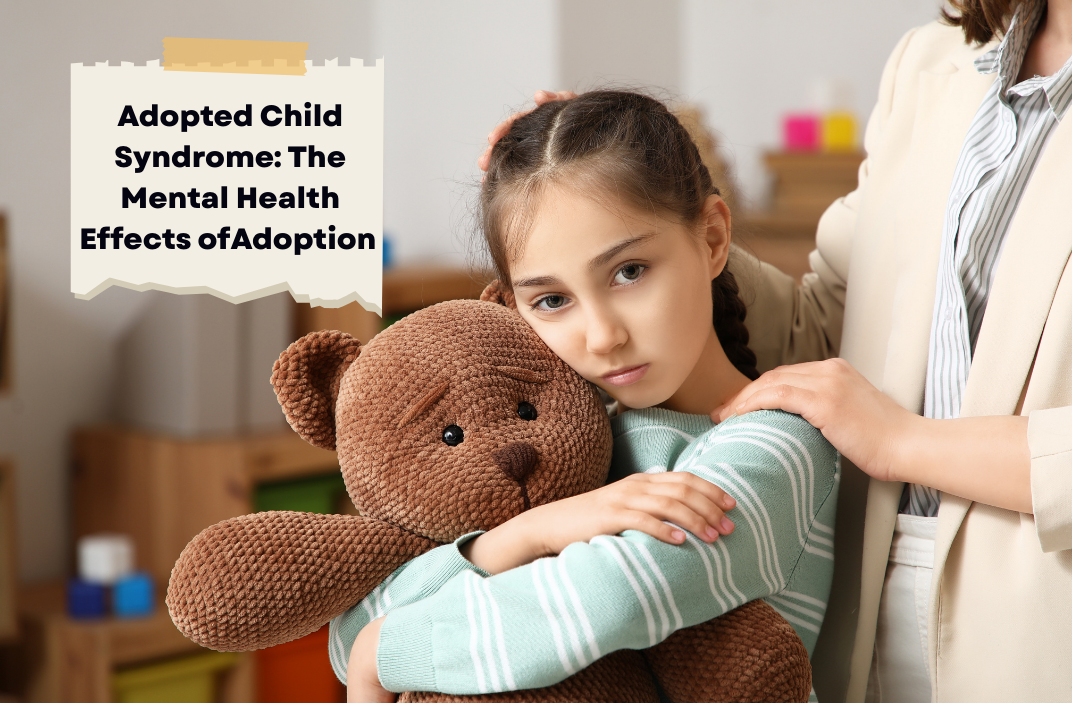
Adoption is a life – changing experience that can bring love, stability and opportunity to a child’s life. Still, alongside these cons, adoption can also introduce complex emotional and cerebral challenges. One term frequently bandied about in this environment is Adopted Child Syndrome (ACS). While not a formal medical or cerebral opinion, the expression is generally used to describe a pattern of emotional and behavioral struggles that some children may witness.
Understanding these challenges with empathy and delicacy is essential for consanguineous parents, caregivers, preceptors and mental health professionals.
What Is Adopted Child Syndrome?
Adopted child syndrome is a phrase used to quickly and conveniently group together a combination of symptoms that an adopted person may experience. These symptoms may be triggered by the adoption itself, from the situations and stressors that led to the adoption or from the unique situations that present after the adoption. The American Psychiatric Association (APA) does not officially accept the term adopted child syndrome, so mental health professionals will likely not recognize or use it as a diagnosis.
Like similar conditions, such as middle child syndrome, there could be some controversy surrounding the use of this term in practice. Many mental health professionals may take issue with this, as it can cause confusion. Others may passionately believe this set of symptoms deserves attention and status from governing bodies, including laypeople or those with close ties to adoption.
It is thought that because of their adoptive status, people will have adopted child syndrome with symptoms that may include:
- A sense of loss
- Feelings of rejection
- Shame and guilt
- Grief and loss
- Problems with identity
- Intimacy and attachment issues
- Control issues
- Adoption trauma-related problems
Because mental health experts may focus on the neglect, abuse or trauma that preceded a person’s adoption, adopted child syndrome faces an uphill battle in becoming an official condition.
Common Mental Health Effects
- Attachment & Trauma:- Early separation from natural parents creates attachment injuries, occasionally leading to attachment diseases, especially if early care was inconsistent. Trauma from adverse nonage experiences (ACEs) is common.
- Grief & Loss:- Adoptees experience “disenfranchised grief”, a loss not socially honored, frequently related to natural families, culture or identity, causing torture and undetermined passions.
- Identity & tone- regard:- passions of rejection, not being wanted or lacking natural roots can impact tone- worth, leading to wrathfulness, sadness and identity struggles.
- Mental Health Conditions:- Advanced rates of depression, anxiety, PTSD and ADHD are reported, frequently linked to early experiences and the relinquishment process itself.
- Behavioral Issues:- Some studies show advanced externalizing problems (behavioral issues) and lesser use of mental health services compared to non-adopted peers.
Factors Influencing Outcomes
- Pre-Placement Adversities:- Abuse, neglect or institutionalization before adoption significantly increase risks.
- Adoptive Family Functioning:- A supportive, stable family environment, strong parent-child bonds and open communication are protective factors.
- Information Access:- Lack of biological background information can worsen challenges, say ScienceDirect.com.
- Societal Stigma:- Misunderstandings about adoption can isolate families and create shame.
When to Seek Professional Help
For individuals and families of adoption, it is never too early to pursue professional treatment. Individual, family and couples therapy can help build resilience and a sense of control for everyone involved. Receiving treatment early can help minimize or prevent problems later on as a person develops.
Receiving counseling services could be extremely helpful for all parties involved, including:
- Parents who adopted a child
- A child who was adopted
- A parent who placed their child for adoption
- Extended family members
Finding a therapist doesn’t have to be a challenge and can be done using a therapist directory for a comprehensive listing of professionals.
Final Thoughts
Adoption is a trip that includes love, adaptability, mending and occasionally pain. Feeding the mental health goods of relinquishment allows families and professionals to give better support, reduce smirks and ensure that espoused individualities feel seen, valued and understood.
Frequently Asked Questions (FAQs)
What are the effects of adoption?
As an adoptee learns to accept and move forward from their personal history, they may experience a few psychological effects of adoption on children, like:
- Identity issues (not knowing where they “fit in”)
- Difficulty forming emotional attachments.
- Struggles with low tone-regard.
What are the lifelong effects of adoption?
They may struggle with passions of trauma, identity issues, lack of inheritable mirroring, rejection and more, all of which can put their mental health at risk. As a result, adoptees are at an advanced risk for conditions similar to PTSD, Complex PTSD and self-murder.
What are the 7 principles of adoption?
- Understanding the Relinquishment Process.
- Building Trust and Attachment.
- Championing the Child’s Stylish Interest.
- Supporting Birth Parents and Open Relinquishment.
- Nurturing a Positive Identity and Artistic Connection.
- Embracing the Journey of Adoption.
How does adoption affect mental health?
Disquisition shows that people who are espoused are more likely to witness mental health issues like anxiety, depression and PTSD. Being separated from their natural parents, experiences in the foster care system and other traumas from handover can be factors in adoptees’ mental health.
Comments are closed