Subtotal ₹0.00

 Self Assessment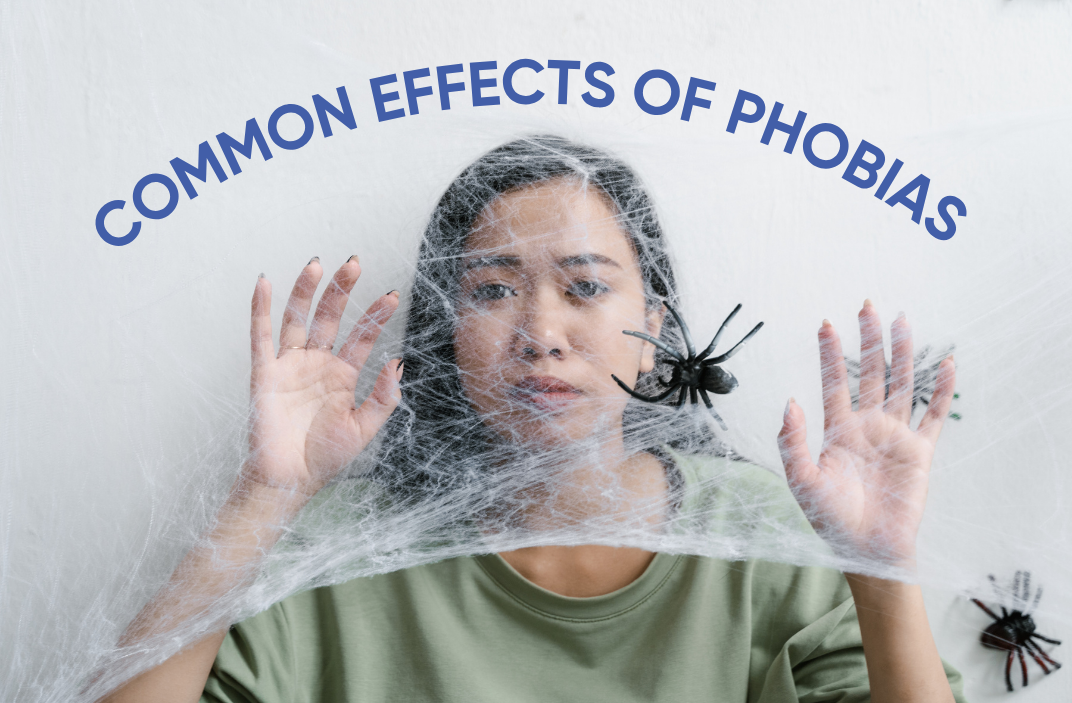
Fear is a normal human response to circumstances. On the other hand, fear signifies danger and may be an indication of a phobia when it becomes severe, persistent and concentrated on a particular situation. A phobia is a kind of anxiety disorder that can interfere with day-to-day functioning and is characterized by extreme dread and avoidance behaviors.
These phobias can significantly affect a person’s mental well-being, ranging from well-known anxieties like flying or heights to less well-known ones like vomiting. These severe phobias affect a lot of people, which eventually causes tension and sadness.
Phobias are real and common and with proper care, they can be treated effectively. In this blog, we will explain the causes of 8 common effects phobias.
What is a phobia?
A phobia is a willful, illogical and lasting fear of a certain object, situation, or exertion. This fear can be so inviting that a person may go to great lengths to avoid the source of this fear. One response can be a fear attack. This is an unforeseen, violent fear that lasts for several twinkles. It happens when there’s no real peril.
- Specific phobia (simple phobia):- With this most common form of phobia, people may sweat specific creatures (similar to dogs, cats, spiders, and snakes), people (similar to zanies, dentists and doctors), surroundings (similar to dark places, showers, and high places) or situations (similar to flying in an airplane, riding on a train or being in a confined space). These conditions are at least incompletely inheritable (inherited) and seem to run in families.
- Social anxiety disorder (formerly called “social phobia”):- People with social anxiety disorder fear social situations where they may be lowered, embarrassed or judged by others. They become particularly anxious when strange people are involved. The fear may be limited to performance, similar to giving a lecture, a musical or a business donation. Or it may be more generalized, so that the phobic person avoids numerous social situations, such as eating in public or using a public bathroom. Social phobia seems to run in families. People who have been shy or solitary as children or who have a history of unhappy or negative social gestures in their youth, feel more likely to develop this disorder.
- Agoraphobia:- Agoraphobia is a fear of being in public places where it would be difficult or embarrassing to make a sudden exit. A person with agoraphobia may avoid going to a movie or a concert or traveling on a bus or a train. Many people with agoraphobia also have panic symptoms or panic complaints (which involves intense fear plus uncomfortable physical symptoms, such as trembling, heart palpitations and sweating).
Symptoms of phobia
The symptoms of phobia are:
- Inordinate, unreasonable, patient passions of fear or anxiety that are touched off by a particular object, exertion, or situation.
- passions that are moreover illogical or out of proportion to any factual trouble. Also, for illustration, while anyone may be hysterical about an unrestrained, menacing canine, most people do not run down from a calm, quiet beast on a leash.
- Avoidance of the object, exertion or situation that triggers the phobia. Because people who have phobias fret that their fears are inflated, they’re constantly lowered or embarrassed about their symptoms. To help anxiety symptoms or embarrassment, they avoid the triggers for the phobia.
- Anxiety-related physical symptoms. These can include quivers, beatings, sweating, briefness of breath, dizziness, nausea or other symptoms that reflect the body’s “fight or flight” response to a pitfall. (Symptoms similar to these may lead to an opinion of panic disorder).
What Causes Phobias?
Phobias are caused by a combination of natural, cerebral, and social/environmental factors.
- Biological:- genetics can play a part in phobias, meaning that some phobias can run in families.
- Psychological:- Personality and cognitive factors play a part in cerebral causes of phobias. For illustration, people who witness nausea in response to certain instigations may be more likely to develop specific phobias. In addition, cognitive impulses may play a part in the development of fear that causes specific phobias.
- Social/Environmental:- Having a traumatic or fearful experience in the phobic situation can cause a specific phobia. Alternatively, phobias can be developed by observing someone respond fearfully to a situation or via learned fear from the media.
8 Common Effects of Phobias
Life-Limiting and Severe Anxiety
One of the main criteria for diagnosing a phobia is that it’s life-limiting in nature. Depending on what your phobia is, you might find it a real struggle to run errands, go out with friends or, indeed, make it work every day. In other words, a specific phobia can significantly vitiate your education, your career and your overall quality of life.
Emotional Distress
People with phobias constantly substantiate heartstrings of helplessness, dread, or fear. Emotional torture can be unlooked-for and violent, affecting your mood and overall quality of life. Over time, these repeated emotional circumstances can contribute to depression or habitual stress.
Avoidance Behavior
Developing extreme measures to avoid the object or situation of fear, which can disrupt work, academia, and diurnal routines.
Reduced tone-regard
Constantly feeling controlled by fear can undermine one’s confidence. Individuals with phobias may question their capability to manage everyday challenges, leading to passions of inadequacy or tone-deaf distrustfulness.
Physical Symptoms of Stress
Phobias frequently manifest with physical symptoms such as rapid-fire twinkling, sweating, pulsing or briefness of breath. These physical responses can complicate psychological discomfort and support the fear response.
Difficulty Concentrating
Case fear and anxiety can impact cognitive functioning. Individuality may struggle with focus, memory retention and decision-making, affecting both particular and professional life.
Social Isolation and Reclusiveness
Withdrawing from social gatherings, friends or family due to fear, embarrassment or anxiety about driving situations.
Impact on Overall Mental Health
Unmanaged phobias can contribute to other psychological issues, including generalized anxiety disorder, panic disorder or depressive symptoms. Preemptive intervention is pivotal for precluding a slinging effect on internal health.
Final Thoughts
Phobias are further than simple fears; they affect feelings, cognition, physical health and social connections. Understanding the eight common causes of phobias-from heightened anxiety to social insulation-helps determine when professional help is needed.
At Nirvan Hospital, we are committed to compassionate, validation-predicated care, helping cases overcome fears, rebuild confidence and restore emotional and cerebral balance. With the right support, phobias do not have to control your life. Recovery is possible, and a life free from fear is within reach.
Still, reach out to Nirvan Hospital at the moment if you or a loved one struggles with a phobia. Taking the first step toward professional care is the morning of a transformative trip toward emotional well-being.
Frequently Asked Questions (FAQs)
What are the psychological and emotional effects of phobias?
Phobias can limit your diurnal conditioning and may beget severe anxiety and depression. Complex phobias, analogous to agoraphobia and social phobia, are more likely to beget these symptoms. People with phobias constantly designedly avoid coming into contact with the thing that causes them fear and anxiety.
What are the common psychological phobias?
Some common examples of specific phobias include the fear of flying, fear of heights, fear of specific brutes (analogous to spiders, dogs or snakes), fear of entering injections, and fear of blood.
How do phobias affect your personality?
Phobias can beget strong physical, mental, and emotional responses. They also can affect how you act at work or the academy or in social situations. Specific phobias are common anxiety diseases. Overall, they are more frequent in ladies.
What phobia affects the most people?
The most common specific phobia in the general population is fear of creatures—particularly tykes, snakes, insects and mice. Other specific phobias are fear of unrestricted spaces (claustrophobia) and fear of heights (acrophobia).
Comments are closed